(604) 835 8344
Preparing for a Long-Distance Move to Chilliwack

A long-distance move is a different beast than a local relocation.
When you’re moving across towns, you can usually “fix it later.” Forgot a box in the storage locker? You can swing back. Realized you packed the kettle in the wrong place? No big deal. But when you’re relocating from farther away, you don’t get those easy do-overs. That’s why planning matters more than muscle.
If you’re moving to Chilliwack from another city, province, or a significant distance within BC, this guide will help you build a plan that feels calm and doable. We’ll cover timelines, packing, travel, logistics, and the details people don’t think about until it’s too late. You’ll also see when it makes sense to hire long distance movers to Chilliwack so the relocation doesn’t turn into a stressful marathon.
Why long-distance moves feel harder (and how to make them feel simpler)
Long-distance moves pile up decisions. You’re not just packing a home. You’re coordinating transport, timing, paperwork, address changes, and travel plans all at once. On top of that, you’re trying to keep life running: work, kids, errands, and maybe even a lease overlap.
The way to make it simpler is to break the move into phases:
- planning and booking
- sorting and prep
- packing and labeling
- moving day coordination
- arrival and setup
Once you think of it like a series of smaller projects, it becomes manageable.
If you can, start planning about 6–8 weeks ahead. Some people do it faster, but longer lead time gives you breathing room.
At this stage, focus on the stuff that affects everything else:
If you have flexibility, build a buffer. The most stressful long-distance moves happen when there’s zero overlap and no wiggle room. Even one extra day can protect you from delays.
Be honest about your time and energy. Are you packing everything yourself? Do you want professional packing support? Are you moving a full home or a partial load? The earlier you decide, the easier it is to plan the rest.
If you know you want help with the heavy lifting and transport, start by exploring Vancouver movers who handle residential moves and can guide you through logistics even if you’re coming from outside the area.
Keep these in one place:
- lease agreements or sale documents
- moving quotes and confirmations
- inventory list (even a basic one)
- important personal documents
- receipts for move-related expenses (often useful)
It sounds boring, but it saves you when you need a detail quickly.

Long-distance moves are the perfect time to stop carrying old clutter into a new chapter.
If you haven’t used it in the last year and it doesn’t have real value, question whether it deserves a spot in your moving load. This is especially true for:
- duplicate kitchen items
- old toys or unused baby gear
- clothes you don’t wear
- “maybe someday” hobby items
Every extra item is time spent packing, more space in the truck, and more time unpacking.
You don’t need a spreadsheet (unless you love spreadsheets). A simple note in your phone can work:
- major furniture pieces
- number of boxes per room
- fragile items list
- high-value items you’ll keep with you
This matters for long-distance moves because it helps you confirm everything arrives and makes unpacking far less chaotic.
Most people don’t get stressed from packing itself. They get stressed from disorganized packing.
A long-distance move demands a bit more structure because your items will be in transit longer, handled more, and you may not have immediate access to “that one box” you need.
Assume your items will shift a bit during transport. Pack like you’re protecting them from movement, not just placing them in boxes.
- Use sturdy boxes for heavier items
- Keep weight manageable (your back will thank you)
- Wrap breakables properly, not “good enough”
- Fill empty gaps so items don’t rattle
- Label boxes clearly on at least two sides
If you’re short on time, careful packing services can make this part dramatically easier, especially for fragile household items. It also speeds up moving day because everything is properly boxed and ready to load.
This is the part people forget. After a long-distance move, you don’t want to dig through 30 boxes just to find pajamas or a phone charger.
Pack essentials separately:
- toiletries and medications
- chargers and basic tech
- one or two changes of clothes per person
- bedding for the first night
- basic kitchen items (kettle, mugs, snacks)
- important documents and keys
This one step can turn arrival day from frustrating to comfortable.

Long-distance moves have a lot of background tasks. If you delay them, they hit you all at once.
Here’s what to knock out early:
- address changes with banks and services
- mail forwarding
- school paperwork and transfers (if applicable)
- medical records, prescriptions, and dentist information
- insurance updates (home, tenant, auto)
Even if you do a little each day, it reduces the load near moving week.
This is where you shift from planning to execution.
Make sure you know:
- where the truck will park
- whether there are stairs, elevators, or narrow entrances
- any building rules, booking requirements, or time windows
- if the new home needs furniture placement planning
This is helpful for peace of mind. It also makes it easier to check condition after transit.
Anything you don’t want packed should be clearly separated and labelled. Otherwise it may end up in a box by accident.
The goal is not perfection. The goal is control.
Important documents, jewelry, passports, medications, and electronics should travel with you, not in the moving load.
When movers arrive, you don’t want to still be taping boxes. Have everything packed, labelled, and staged so loading can move fast.
Point out:
- fragile items
- boxes that should not be stacked
- “this stays with me” items
- anything oversized or special handling
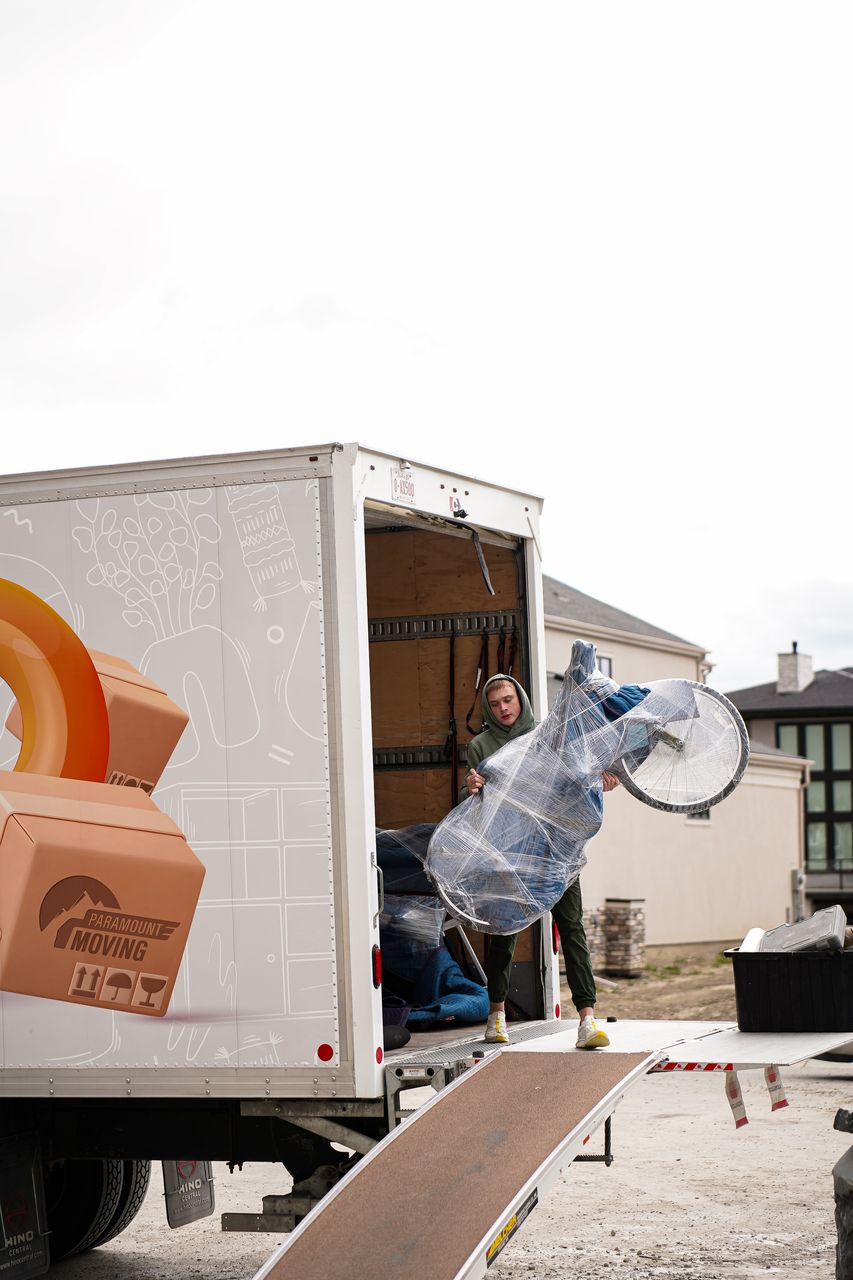
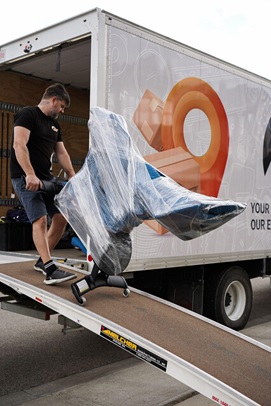
When the expectations are clear, the move goes smoother.
If you’re hiring a Chilliwack moving company for a long-distance move, you want a team that handles this kind of coordination well, because timing and careful loading matter even more with longer travel.
For households that want end-to-end support, residential moving services can help keep the day structured so you’re not making a hundred decisions while the truck is being loaded.
Arrival in Chilliwack: set yourself up for an easy first week
A long-distance move doesn’t end when the truck arrives. The first week matters because that’s when you build momentum.
- beds and basic sleeping setup
- bathroom essentials
- kitchen basics
- kids’ items (if you have children)
- work setup and tech
- everything else
If you try to “do it all” day one, you’ll burn out. A better plan is to make the home functional first, then make it beautiful later.
As items come in, scan the basics:
- do you have all major furniture pieces?
- are fragile boxes intact?
- any obvious missing items?
It’s easier to resolve issues right away than two weeks later when everything is scattered.
Do you need long-distance movers to Chilliwack?
If you’re moving a small amount of items and you have lots of time, you can sometimes manage it with a truck rental and a few helping hands.
But if you’re moving a full home, have tight timelines, or are coordinating travel and family schedules, professional long distance movers to Chilliwack can remove the hardest parts:
- safe loading and furniture protection
- structured timelines
- fewer damage risks
- less physical strain
- smoother arrival and unloading
For most people, the biggest benefit is simple: it keeps you from feeling like your entire life is on your shoulders for a month.
If you want to see what support looks like and what services are available, Paramount’s moving services page breaks down options so you can choose what fits your move.
Final thoughts: plan ahead once, and thank yourself later
Long-distance moving is stressful when it’s rushed and unstructured. It feels surprisingly manageable when you plan early, pack with a system, and have the right support.
If you’re moving to Chilliwack, the goal is to arrive with energy left to enjoy the new chapter, not show up exhausted and overwhelmed. Build your timeline, protect your essentials, and treat it like a project with steps. That’s how you turn a big move into a smooth transition.
 Condo Moving Rules in Coquitlam You Need to Know
 How to Choose the Best Commercial Movers in Chilliwack
 Why More Families Are Choosing North Vancouver for a Better Lifestyle
 Seasonal Moving Tips: When Is the Best Time to Move to White Rock?
 Moving to White Rock for Retirement: What You Should Know
 White Rock vs. South Surrey: Which Coastal City Is Right for You?