(604) 835 8344
Moving to White Rock for Retirement: What You Should Know

Retirement moves feel different from other relocations.
You’re not moving because you have to. You’re moving because you want your next chapter to feel calmer, easier, and more enjoyable. That usually means less rush, less clutter, and a place that fits the lifestyle you actually want now.
For many people in BC, moving to White Rock is a retirement dream because it offers a coastal vibe, a walkable atmosphere in many areas, and a slower pace without feeling isolated. It can feel like you’re living in a seaside town while still being connected to everything you need.
This guide covers what you should know before relocating to White Rock for retirement, including lifestyle, housing decisions, accessibility planning, downsizing strategy, and how White Rock movers can make the move smooth and stress-free.
A lot of retirement locations promise “peaceful living,” but White Rock offers a specific kind of calm that people love.
White Rock is compact, which often creates a stronger community vibe. It feels like a place where you can settle in and recognize faces, rather than feeling like you’re constantly surrounded by strangers.
For many retirees, it’s not about “vacation energy.” It’s about the everyday benefits:
- fresh air
- scenic walks
- a calming atmosphere
- a sense of “this feels good” when you wake up
Depending on where you live, you may be able to walk to cafes, local shops, and scenic routes. For people who want to drive less in retirement, that matters.
Many retirees still want to stay connected to family, friends, and services across the Lower Mainland. White Rock gives you that connection while still offering a slower environment.
This mix is what creates the White Rock retirement lifestyle people talk about.
One of the biggest retirement move decisions is not “Where?” but “What kind of home fits our life now?”
Here are the most common options retirees consider in White Rock:
Many retirees choose condos because it reduces maintenance. Less yard work, fewer repairs, and more “lock-and-leave” convenience if you want to travel.
If you like simplicity, this can be a great fit. The important part is choosing a building that fits your lifestyle, not just your budget.
Some people want to downsize but still want a home feel. A smaller house or townhouse can offer a nice balance: less upkeep than a large family home, but still room for hobbies, visitors, or storage.
Stairs might not be a problem today, but many retirees plan with “future comfort” in mind. If you can choose a home layout that supports long-term mobility, you’re making your future life easier.
Even if you feel active and healthy, a layout that’s easy on the body is a smart choice.

Retirement moves should be designed for comfort.
A few practical considerations:
- Are doorways wide enough for easier movement?
- Are bathrooms safe and easy to use?
- Is the shower accessible?
- Do you need non-slip flooring?
- Is the home easy to maintain?
You don’t need to turn your home into a medical setup. But choosing a home that is naturally easy to live in saves you effort and stress later.
Downsizing is often the emotional part.
Many retirees are leaving a family home that holds years of memories. The goal is not to erase those memories. The goal is to choose what truly belongs in your next chapter.
People think the physical packing is the hard part. It’s not. The hard part is deciding what stays and what goes.
Start with areas that are easy:
- storage closets
- duplicate kitchen items
- old linens
- unused furniture
- “we might need it someday” items
Once you build momentum, the more emotional items become easier to handle.
This is a simple system that works well for retirement moves:
- Keep: items you use or truly love
- Donate: items in good condition you do not need
- Gift: sentimental items that belong with family
- Discard: items that no longer serve a purpose
This approach helps you avoid moving things that will just become clutter again.
A lot of people hold onto items because they represent memories. A practical approach is to keep fewer physical items, but preserve the memory in other ways:
- photos of keepsakes
- a small “memory box”
- passing items to children or relatives with stories attached
This makes the move feel lighter without feeling like you’re losing your past.
Retirement moves are smoother when you plan a calm timeline rather than rushing.
If you’re moving into a building with scheduling rules, timing matters. If you want a specific date, booking earlier gives you more options.
Many buildings require:
- elevator bookings
- specific moving windows
- proof of mover insurance
- protective coverings for hallways
If you plan early, you avoid delays and frustration on move day.

Even retirees who are moving calmly can feel exhausted on arrival day. Keep essentials accessible:
- medications
- basic toiletries
- chargers
- documents and keys
- a change of clothes
- basic kitchen items
This prevents the first-night stress of searching through boxes.
If you want packing to be handled properly, packing services can reduce your workload dramatically and protect fragile items during transport.
A retirement move is not just about lifting boxes. It’s about protecting your energy.
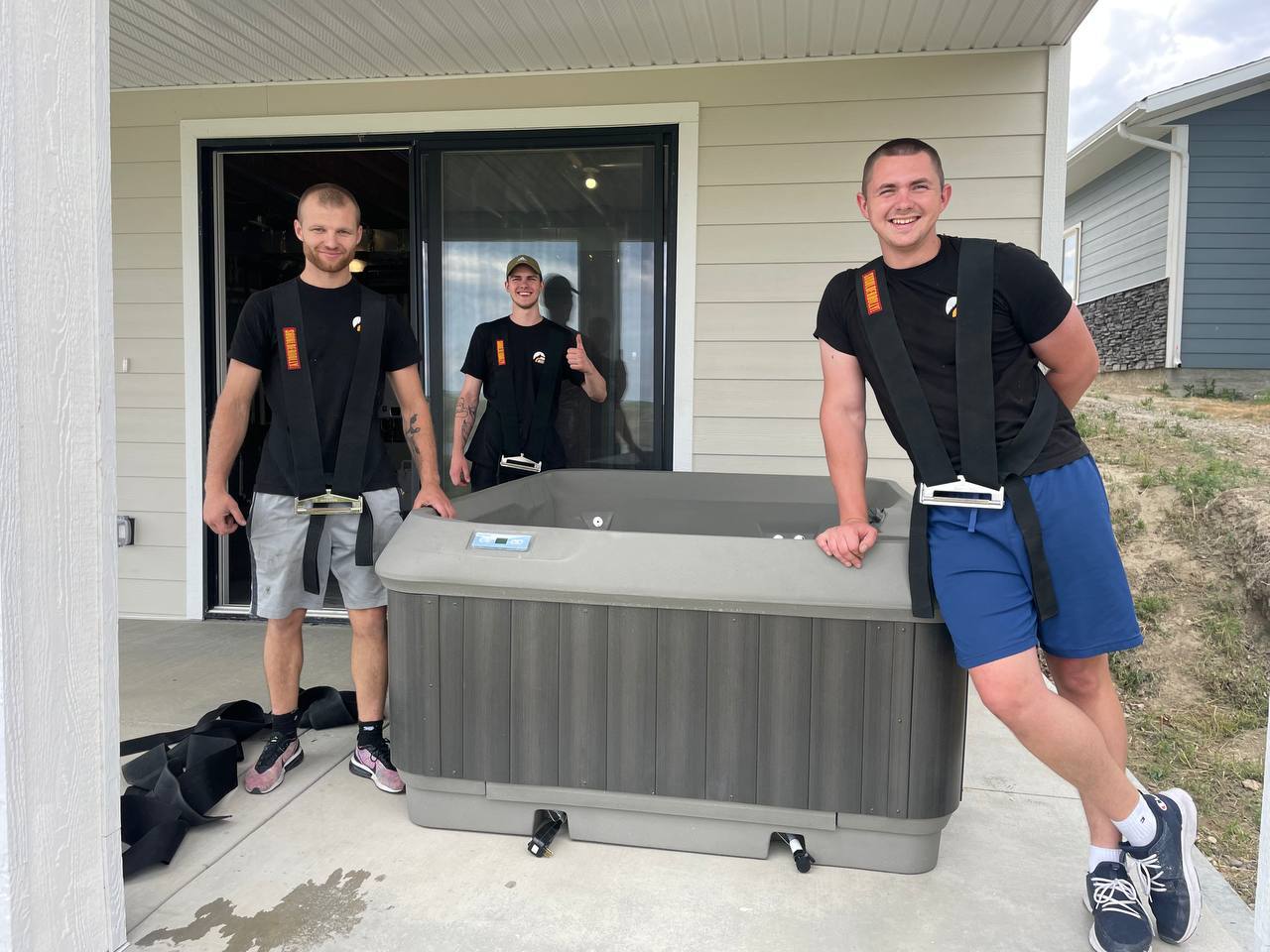
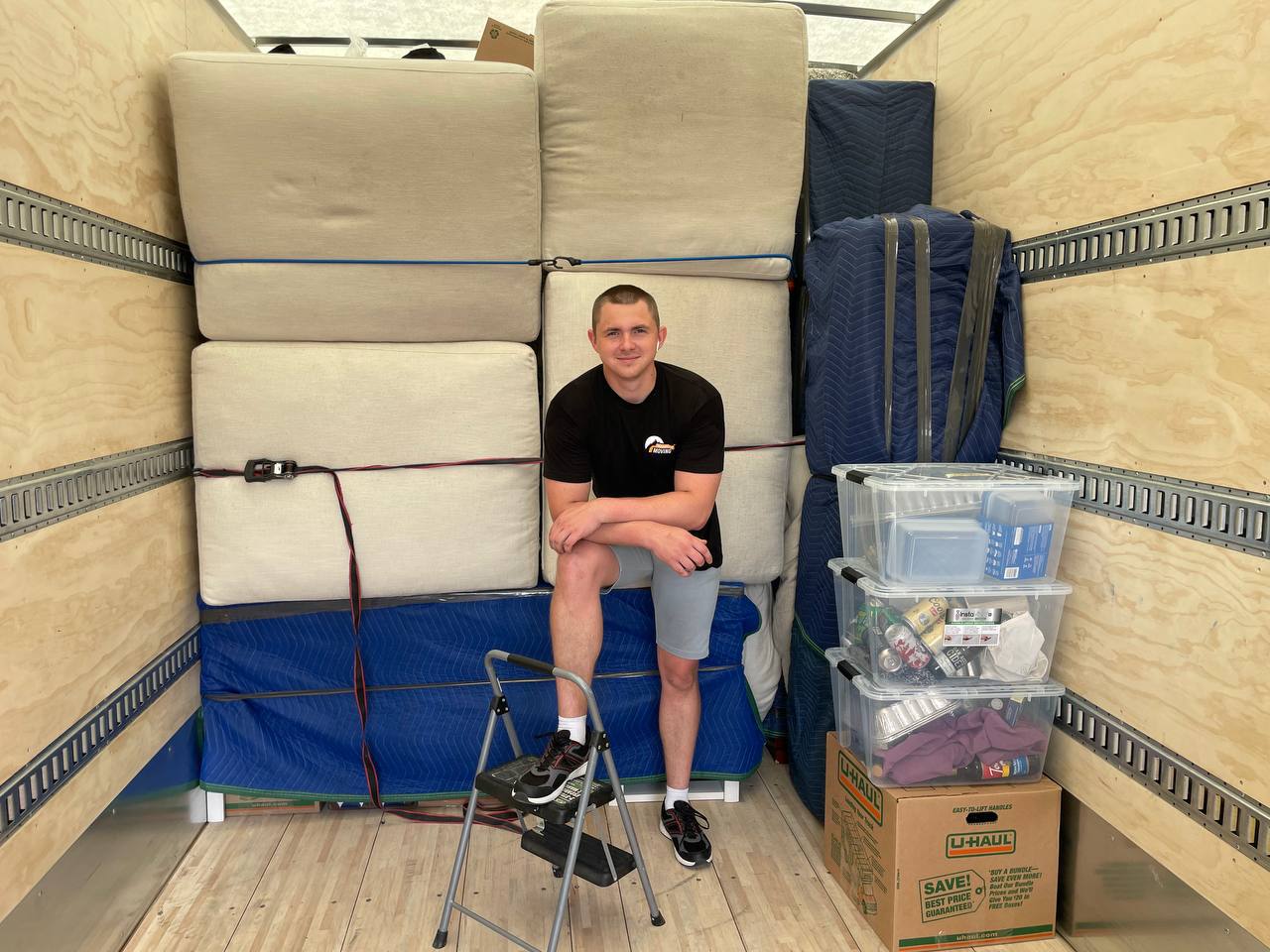
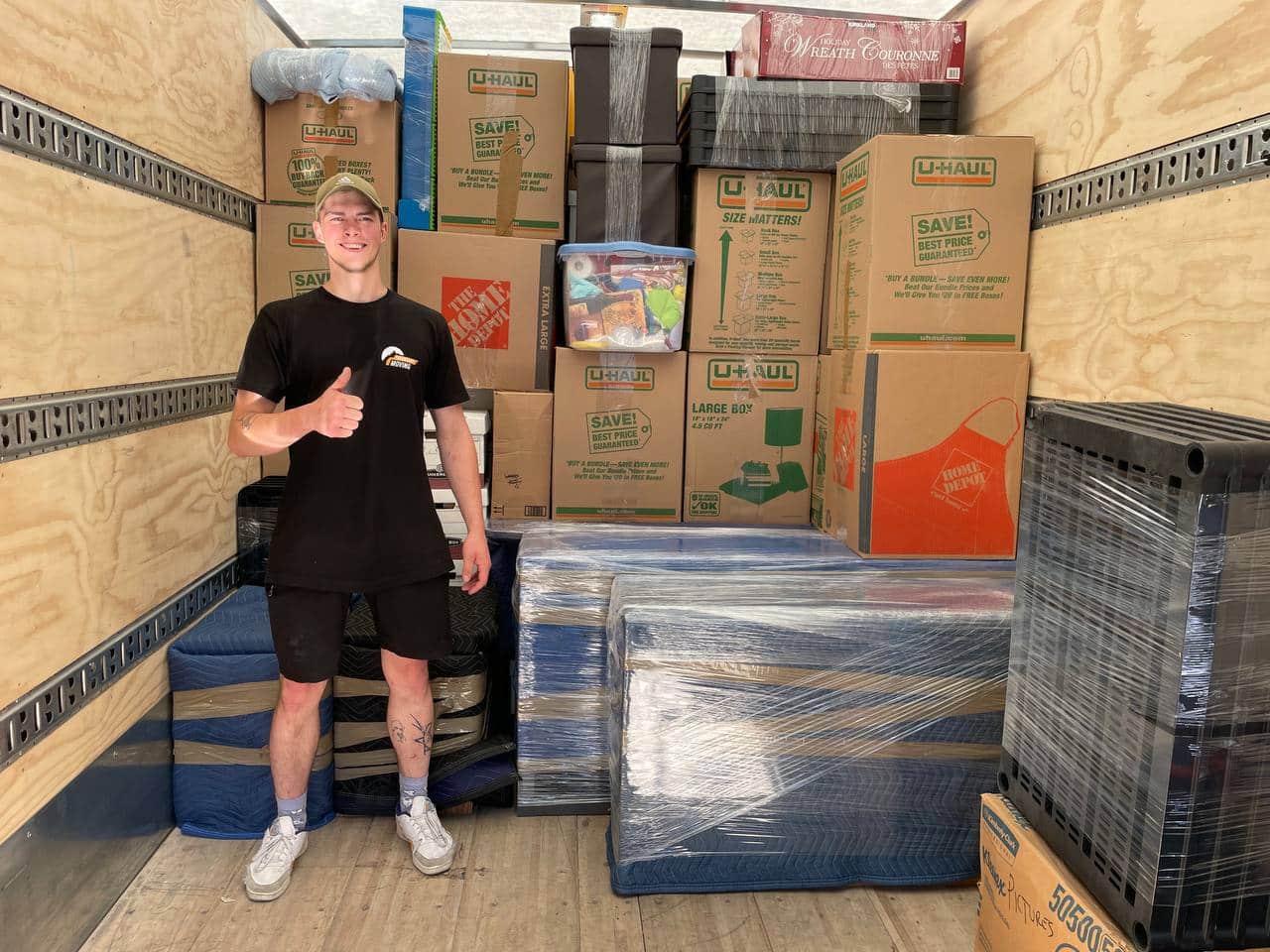
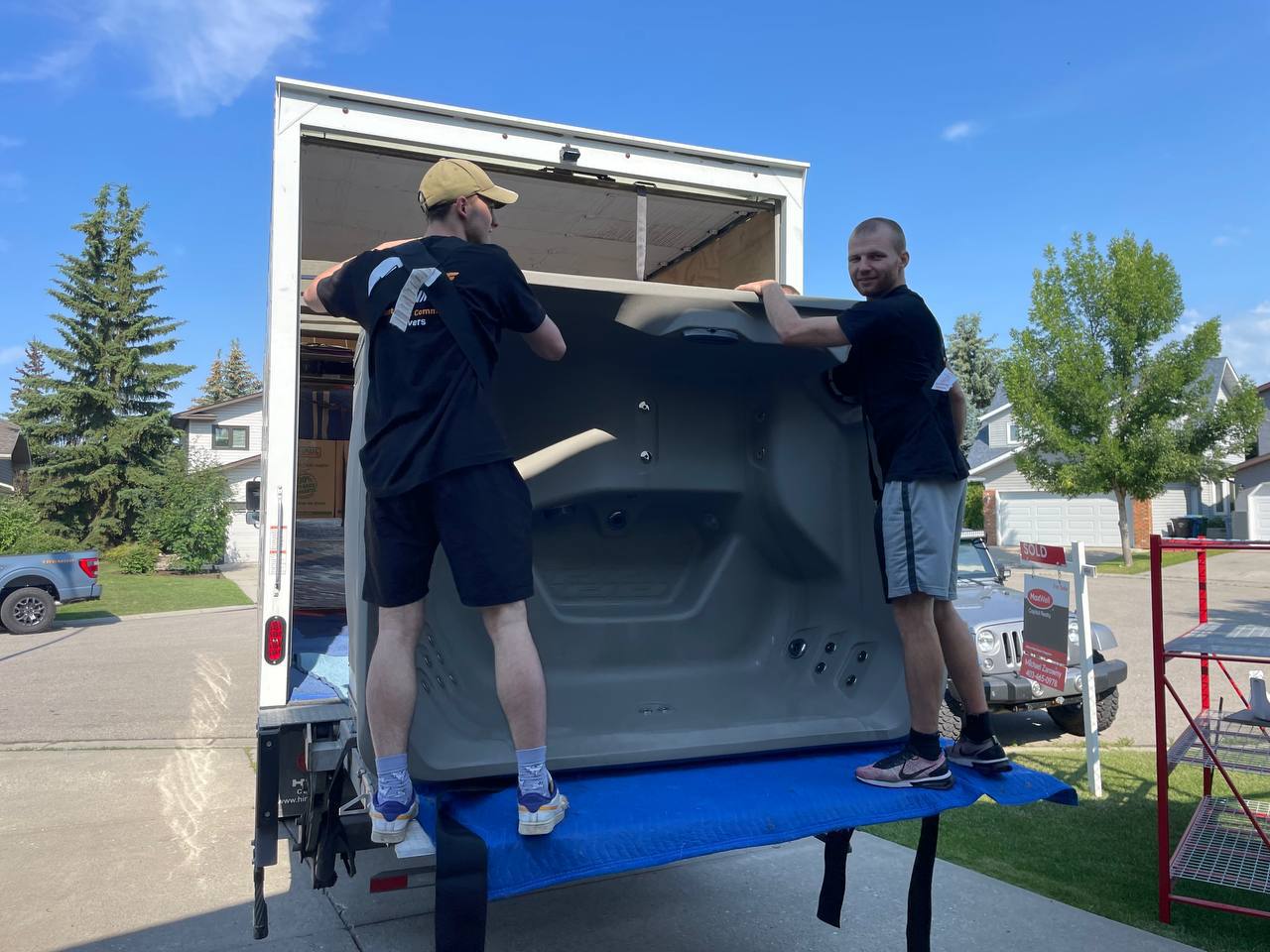
Professional White Rock movers can help by:
- handling heavy furniture safely
- protecting items that matter (keepsakes, breakables)
- keeping the move on a calm schedule
- reducing the risk of injury
- making the day feel organized, not rushed
Many retirees choose a White Rock moving company because it allows them to focus on settling in rather than struggling through a physically demanding move.
If you’re moving from Vancouver or starting from a condo, experienced Vancouver movers can be helpful, especially with elevator bookings and building logistics.
If your move is a full household relocation, residential movers can keep the day structured and efficient.
For a broader overview of options, Paramount’s moving services page outlines different service levels depending on how much help you want.
Once the move is done, your goal is to settle in without pressure.
A few gentle steps help:
- unpack essentials first and leave the rest for later
- set up your walking routes and favorite spots early
- get familiar with your daily errands routine
- keep a calm pace in the first few weeks
Retirement is about enjoying time, not rushing through another to-do list. Give yourself space to ease into your new lifestyle.

White Rock offers a retirement lifestyle that many people love: coastal atmosphere, community feel, and a slower rhythm without feeling disconnected.
If you plan the move early, downsize with intention, and use the right support, relocating can feel smooth and even enjoyable. With trusted White Rock movers, you can protect your energy and start your next chapter feeling settled, not exhausted.
 Moving with Pets: Your Comprehensive Guide to a Stress-Free Transition
 Green Relocation: Mastering the Art of Moving with Plants
 Moving While Pregnant: Tips for a Smooth Relocation Journey
 How to Pack Clothes for a Move: Tips for a Smooth Transition
 Mastering the Art of Packing: Your Guide to Packing the Kitchen for a Smooth Move
 Navigating the Move: Essential Tips for Stress-Free Senior Relocation