(403) 371 6578
How to Store Furniture: Expert Tips
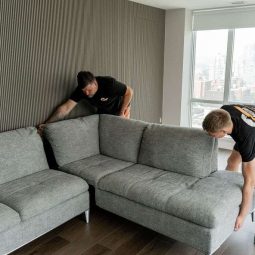
Storing furniture sounds simple until you actually do it. A couch that looks fine going into storage can come out smelling musty. A wooden table can warp. A mattress can end up stained. And those little scratches that “probably won’t happen” somehow always find a way to show up.
This guide breaks down how to store furniture properly so it stays clean, dry, and protected, whether you are storing it for a month or for a year. The goal is to avoid the common mistakes that lead to mold, pests, dents, and damage, and to make it easy to move everything out when you are ready.
Decide what you are storing and for how long
Before you wrap a single chair, get clear on two things.
How long is “storage” for you?
Short-term storage usually means a few weeks to a couple of months. Long-term storage is anything longer than that. Long-term requires more attention to moisture control, wrapping, airflow, and how you stack items.
Which pieces are truly worth storing?
Be honest. If a piece is already falling apart or you do not love it, it might not be worth the cost and effort. Some people choose to store only the high-quality, sentimental, or hard-to-replace items and let go of the rest. If you are downsizing, this one decision can make your move much easier.
If you are unsure, a quick call with a local team like Paramount’s Calgary movers can help you think through what makes sense to move, store, or replace, especially when storage time is uncertain.
Choose the right storage setup for your furniture
Where and how you store furniture affects everything.
Indoor vs outdoor storage
Indoor storage is generally safer for furniture because it protects from temperature swings and humidity changes. Outdoor units can work for some items, but furniture is more likely to pick up moisture and odor if conditions are not stable.
Climate control matters for certain materials
If you are storing wood furniture, leather, electronics inside media units, artwork, or anything sensitive, climate-controlled storage can reduce the risk of warping, cracking, and mold.
Think about access
If you will need items during storage, plan for that now. You do not want the box you need buried behind a sectional and a wall of bins.
If you want a smoother process, using a service that includes self storage in Calgary can take the pressure off, especially when your move-out and move-in dates do not line up cleanly.

This step is boring, but it is one of the most important.
Fabric furniture
Vacuum couches and chairs thoroughly, including under cushions. Spot clean stains. If you store fabric furniture with crumbs or dust, it can attract pests and create odors.
Wood furniture
Wipe down wood surfaces with a gentle cleaner and make sure it dries fully. Do not store wood with moisture trapped on the surface.
Leather furniture
Clean and condition leather so it does not dry out. Leather can crack when it is stored in poor conditions, especially if it is left uncovered or exposed to temperature swings.
Mattresses
Vacuum the mattress, let it fully air out, and use a proper mattress bag. Never store a mattress uncovered.
The key point is this: storing dirty furniture is basically storing the problem.
Large items are easier to protect when they are broken down into manageable parts.
What to disassemble
Beds, dining tables, desks, shelves, and some sectional sofas usually store better when disassembled.
Bag and label all hardware
Put screws, bolts, and small pieces into a sealed bag and label it clearly. Tape that bag to the furniture piece it belongs to, or store it in one labeled bin just for hardware.
If disassembly is not your thing, it can be worth using assembly and disassembly support so nothing gets damaged and nothing goes missing.
This is where most people either do it right or regret it later.
Use moving blankets for hard surfaces
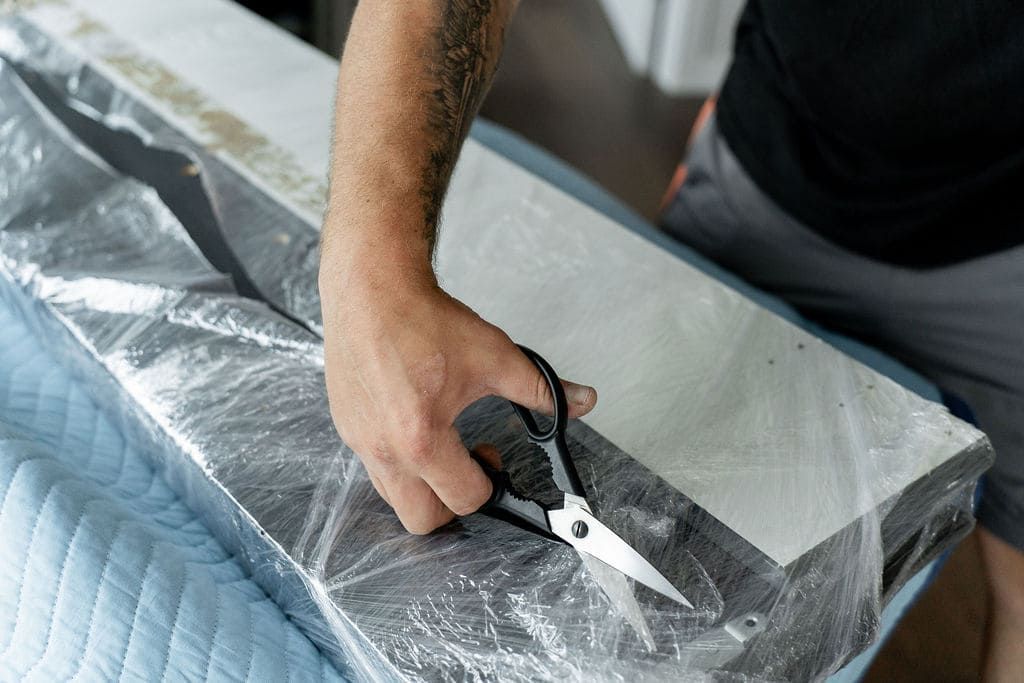
Moving blankets are great for wood furniture, dressers, cabinets, and table tops. They protect from scratches and dents during transport and while items are stacked.
Use plastic wrap the correct way
Plastic wrap is good for holding blankets in place and keeping dust off, but do not wrap delicate wood tightly with plastic as the only layer. If moisture gets trapped, you can end up with mildew.
Use covers for mattresses and sofas
Mattress bags and sofa covers exist for a reason. They reduce dust, stains, and damage during storage.
Protect corners and edges
Corners are the first places that get chipped. Add extra padding to table corners, dresser edges, and framed items.
If you want the wrapping done professionally, packing and unpacking support can be a smart add-on, especially when you have fragile items or a lot of furniture to protect.
This is a simple rule that prevents a lot of damage.
Elevate whenever possible
Use pallets or wooden boards so furniture is not sitting directly on the floor. Floors can collect moisture, and small leaks can ruin furniture fast.
Leave breathing space
Furniture needs airflow. If you stack items too tightly, moisture gets trapped and odors build up. Leave small gaps between large items, especially upholstered pieces.
Avoid sealing fabric pieces in plastic long-term
Plastic can trap moisture. For long-term storage, breathable covers are often better for couches and chairs.
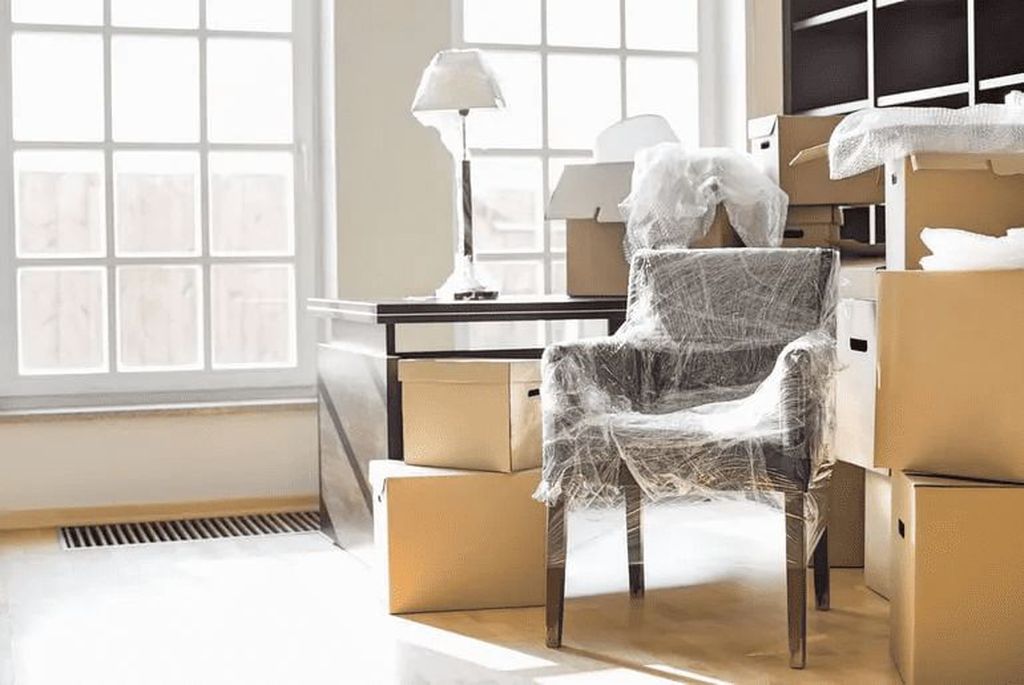
Even if you think you will not need anything, storage has a funny way of turning into “I need that one box.”
Create a simple layout plan
Put items you might need near the front. Store heavy, sturdy pieces toward the back. Keep a walking lane if the unit is large enough.
Stack smart
Place heavier items on the bottom and lighter items on top. Avoid stacking boxes on top of fragile furniture.
Use drawers for lightweight soft items only
Dressers can hold linens or pillows, but do not overload them. Keep drawers slightly open if possible to allow airflow, unless dust is a major concern.
These are the three enemies of stored furniture.
Moisture control
A small moisture absorber can help, especially in winter or during seasonal shifts. Just make sure it is safe and placed properly.
Pest prevention
Do not store food, scented candles, or anything that attracts pests. Clean furniture reduces risk.
Odor prevention
Clean items, airflow, and avoiding trapped moisture are what keep storage units from smelling stale.
What not to do when storing furniture
This section alone can save you money.
Do not store damp furniture
Even slightly damp fabric can lead to mold over time.
Do not stack heavy items on upholstery
Couches and chairs can lose shape if weight sits on them for months.
Do not leave furniture unprotected
Dust, scratches, and moisture exposure add up fast. Always cover and pad.
Do not forget insurance and inventory
Take photos and make a simple inventory list. If something goes missing or gets damaged, you want proof of what you stored.
When to Get Help Storing Furniture with Paramount Moving
Sometimes the best storage decision is not a storage decision. It is a planning decision.
If your move includes tight timing, heavy furniture, or long-distance transport, professional support can prevent expensive mistakes. A team can pack, protect, transport, and store items in a structured way so your furniture stays safe from point A to point B. If you want to talk through your best option, you can always reach out through the Paramount Moving contact page.