(403) 371 6578
Tips on Deciding if Your Furniture is Worth Moving
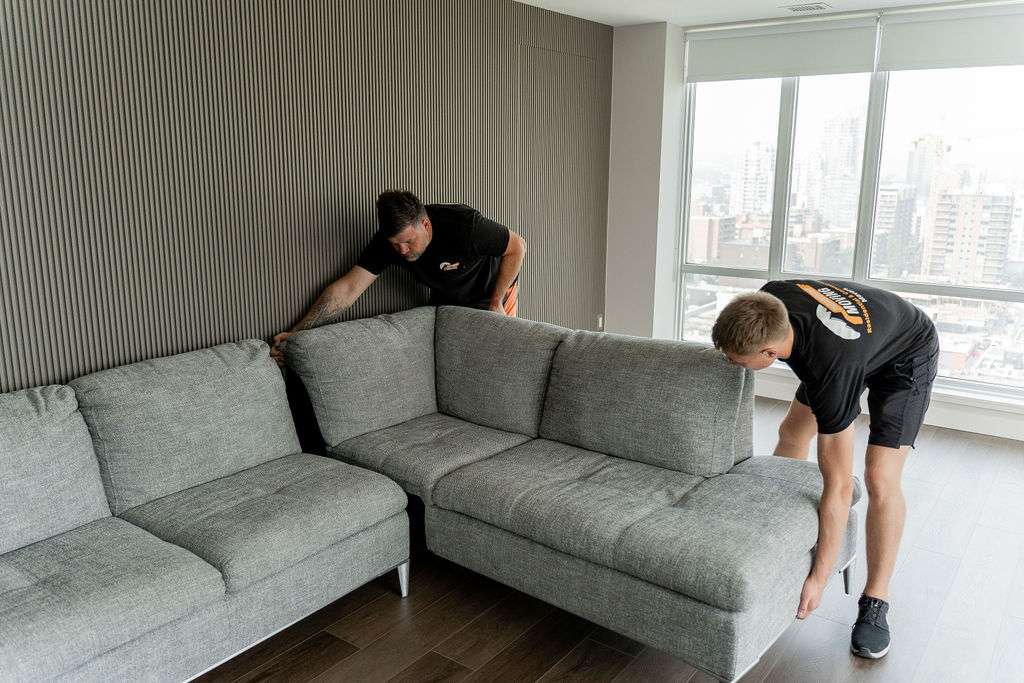
Moving has a funny way of making you look at your home like a spreadsheet. Suddenly, that sofa you loved feels huge. That dresser you kept “because it’s solid wood” starts to look like a workout plan. And you start asking the real question: is it actually worth moving this furniture, or am I better off replacing it on the other side?
The truth is, it is not always worth moving furniture. Sometimes the cost of transportation, the time, and the hassle simply do not justify it, especially for bulky items that are easy to replace. Other times, moving the piece is absolutely the right choice because it is valuable, hard to replace, or has real meaning to you.
This guide will help you make the decision without stress, using a practical way to compare cost, condition, space, and value. And if you decide to move it, or decide to get rid of it, you will still be able to move forward with a plan. For reliable assistance, trust expert Calgary moving companies to make your relocation smooth and stress-free.
Before you get into details, ask yourself four quick questions.
1) What would it cost to replace it?
If replacing the item costs less than the total cost of moving it, replacing may be the smarter choice. This is especially true for flat pack furniture, low-cost mattresses, small desks, and older particleboard pieces.
2) What will it cost to move it?
Furniture is not just “one item.” It takes space in the truck, time to wrap and protect, and effort to carry. Heavy or awkward pieces can increase moving time, and moving time can increase the overall bill. If you are unsure, you can always request a quote and compare options before committing. Many people in Alberta start by checking local support like Calgary movers so they can estimate their real moving requirements.
3) Does it fit your new space?
A sectional that fits perfectly now can feel overwhelming in a smaller living room. A king bed might not fit the new bedroom layout. If you already know your new measurements, this step becomes easy. If you do not, it becomes a risk.
4) Is it in good condition?
If the item wobbles, squeaks, has peeling veneer, or is already near the end of its life, moving can finish the job. A move involves lifting, shifting, disassembly, transport vibration, and reassembly. If the furniture is fragile, it might not survive the process.
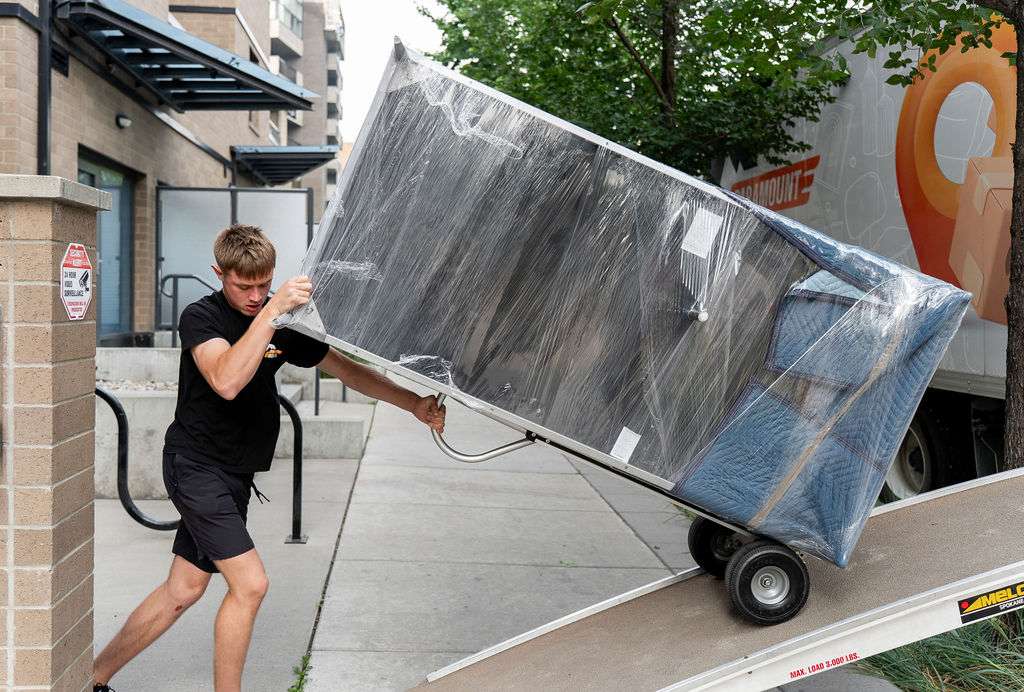
Even if you like your furniture, some situations make moving it a poor value. Here are the most common ones.
The furniture is inexpensive and easy to replace
If you bought it because it was affordable, there is a good chance it is affordable to replace too. For example, basic bookcases, small coffee tables, simple TV stands, and budget chairs are often cheaper to replace than to pay extra moving time or truck space for them.
The piece is bulky but not valuable
Some items take up a lot of room without being worth much. Think oversized wall units, large recliners in rough shape, worn-out box springs, or cheap dining sets that you were planning to upgrade anyway. They can make the move harder without adding real value in your new home.
It needs repair, and you have not repaired it
If an item needs work and you have been putting it off, the move is rarely the moment it magically becomes worth keeping. A broken drawer, loose legs, or weak joints often get worse during transport.
You are downsizing
Downsizing changes everything. If you are moving from a house to a condo, or from a large apartment to a smaller one, it is usually better to move only the pieces you truly want and that truly fit. This is also where storage sometimes comes into play, especially if you are moving in stages. If you need time between places, it helps to look at options like storage rental in Calgary so you are not forced into rushed decisions.
The move is long distance and the item is replaceable
Longer distances can increase the total cost and increase the risk of damage from extended transport. If the item is not special and can be replaced, replacing can make your move simpler and lighter.
When It Is Worth Moving Furniture
Now for the other side of the coin. Plenty of furniture is absolutely worth moving.
It is high quality, solid wood, or built to last
A well-made wood dining table, a solid bed frame, or a durable sofa can be expensive to replace. If it is in good condition, moving it makes sense.
It is custom, rare, or difficult to replace
Custom pieces, antiques, heirlooms, and furniture with a specific fit or function can be hard to find again. If you cannot easily replace it, you probably should not let it go.
It has sentimental value
Some furniture matters because of what it represents. A rocking chair from a grandparent, a table where your family has eaten for years, or a chest you travelled with can be worth moving even if it is not worth much financially.
You already know it fits your new space
If you have measurements, layout plans, and confidence it works, that removes one of the biggest “what if” factors.
For professional help with transporting these valuable pieces, trust furniture moving Calgary to ensure your move is safe, efficient, and stress-free.
If you want to make this decision quickly, try this approach for each major piece.
Step 1: Make a short list of “must keep” items
These are the pieces that you know you want, no matter what. Usually this includes high-quality items, sentimental items, and items that solve a real problem in your new home.
Step 2: Measure the big items
Write down basic measurements: length, width, height. If you are moving into a space with tight stairs or elevators, those measurements matter even more.
Step 3: Assign each item a category
Put each piece into one category:
Keep and move
High value, good condition, fits new space.
Replace later
Replaceable, but not urgent. You can live without it temporarily.
Sell or donate
Still usable but not worth moving.
Dispose
Broken, unsafe, heavily worn, or not worth anyone else’s time.
Step 4: Compare replacement cost vs moving effort
This is where you bring logic into the emotional process. If the item is cheap to replace and expensive to move, it usually should not come with you.

What To Do With Furniture If You Decide Not To Move It
Once you decide not to move something, the next question is what happens to it. The goal is to avoid a last-minute panic and keep your move day clean.
Donate it
If the furniture is in good condition, donation is often the easiest option. Many local organizations accept tables, chairs, dressers, and smaller items. Just make sure you confirm what they take, and whether they offer pickup.
Give it away
If time is short, giving it away can be the fastest way to clear space. Friends, family, neighbours, or community groups can be great options. Free items move quickly when the condition is decent.
Sell it
Selling can help offset moving costs, especially for furniture that still has strong value. This works best when you list early, because selling takes time. If you wait until the last week, you may end up discounting heavily or scrambling.
Recycle or dispose of it responsibly
Some items are not donation-worthy, and that is okay. Broken particleboard, damaged couches, and worn mattresses often need disposal. Planning this ahead of time protects your schedule and keeps move day from turning into a dump run.
If you want a smoother process, it can help to choose a moving company that supports both sides of the decision, whether that means protecting what you keep or helping you clear out what you do not. For example, Paramount offers options like packing, handling, and even furniture disposal support, which can make your final week much less chaotic. If you need to talk through the best approach for your situation, you can always reach out through their Contact Us page.
How Paramount Moving Can Help You Move Your Furniture
No matter what you decide, you still have a move to complete. And the decision becomes much easier when you know you have support.
If you are moving the furniture, Paramount Moving can help with careful handling, protection, and setup so your pieces arrive in the same condition they left. If you are not moving certain pieces, services like assembly support, packing help, and disposal planning can take pressure off your timeline. Many people also prefer to use professional packing and unpacking support for fragile items and heavy pieces, because it reduces damage risk and speeds up the entire process.
At the end of the day, the goal is simple: move what is worth keeping, let go of what is not, and arrive at your new place feeling lighter, not buried.
Deciding whether furniture is worth moving is not about being ruthless. It is about being practical. If a piece is valuable, durable, meaningful, and fits your new space, it is usually worth the effort. If it is replaceable, worn out, too bulky, or does not fit the new layout, it is often better to let it go and start fresh.
Give yourself time to make these calls early, and your move will feel more like a transition than a crisis.